Art theft has always captivated the public’s imagination, with high-profile heists and daring escapades making headlines across the globe. However, one art thief stands out from the rest for his audacity, cunning, and unique approach to stealing priceless works of art.
Stéphane Breitwieser, a Frenchman with a penchant for beauty and a thirst for adventure, earned infamy as one of history’s prolific art thieves. In this article, we delve into the captivating story of Stéphane Breitwieser and his audacious art thefts.

The Early Years
Stéphane Breitwieser was born in 1971 in Mulhouse, France. From an early age, he displayed a fascination with art and a particular interest in masterpieces by the world’s greatest artists.
As a child, he frequently visited museums and art galleries with his family, immersing himself in artistic beauty. Little did anyone know that this innocent curiosity would eventually lead him down a path of crime and deception.
The First Heist
Breitwieser’s journey into the criminal world of art theft began in 1995 when he was just 24. On a visit to a museum in Switzerland, he successfully stole a bugle from the collection. Emboldened by the thrill of the theft, he continued his spree across Europe, targeting museums, galleries, and private collectors with remarkable ease.
The Stealing Spree
Over six years, Breitwieser stole over 239 artworks, including paintings, sculptures, and artifacts. He had a remarkable eye for valuable pieces and an uncanny ability to avoid detection.
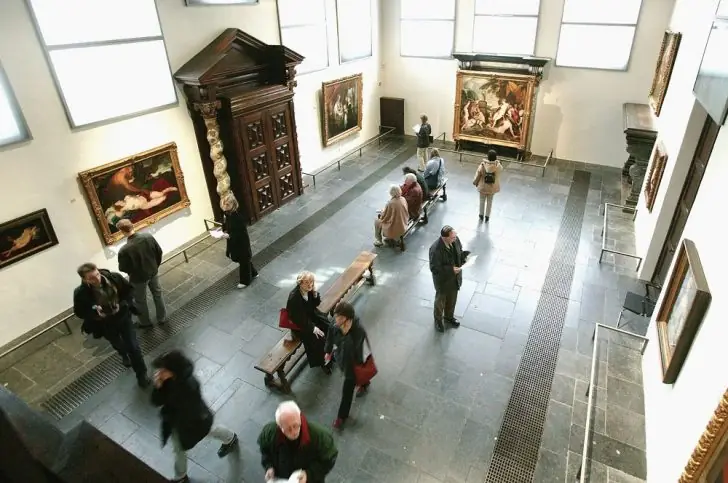
His modus operandi was simple yet effective – he would visit museums posing as an art enthusiast and surreptitiously remove the artwork from its frame or display, tucking it away in his jacket or bag. He managed to steal works by renowned artists such as Pablo Picasso, Pieter Brueghel the Younger, and Gustave Courbet, among others.
The Bizarre Fate of the Stolen Art
What he did with the stolen art made Breitwieser’s case even more astonishing. Unlike most art thieves who aim to profit from their illicit gains, Breitwieser had a different motivation. He did not sell or ransom the stolen works but kept them for himself. His mother, Mireille Breitwieser, played a crucial role in hiding the artworks, creating a secret stash of stolen treasures in their home.
The Downfall
Despite his uncanny ability to elude authorities for years, Breitwieser’s undoing came in 2001 when he attempted to steal a 17th-century Dutch drawing from a museum in Lucerne, Switzerland. The security system thwarted his attempt, and he was caught red-handed. His arrest led to the discovery of an extensive collection of stolen art in his family’s home.
The Aftermath
In the aftermath of his arrest, Breitwieser’s case became a sensation worldwide. The media and art enthusiasts alike were fascinated by the audacity and scale of his stealing spree. His actions raised questions about the security measures museums and galleries employ to protect their valuable collections.
Legal Proceedings and Sentencing
Breitwieser’s trial began in 2002, and he faced charges in several European countries for his art thefts. In 2003, he was sentenced to a prison term of three years and six months in Switzerland. Later, France sought his extradition, and in 2006, he was sentenced to an additional eight years in prison by a French court.